 |
Home | Contact Us |
 |
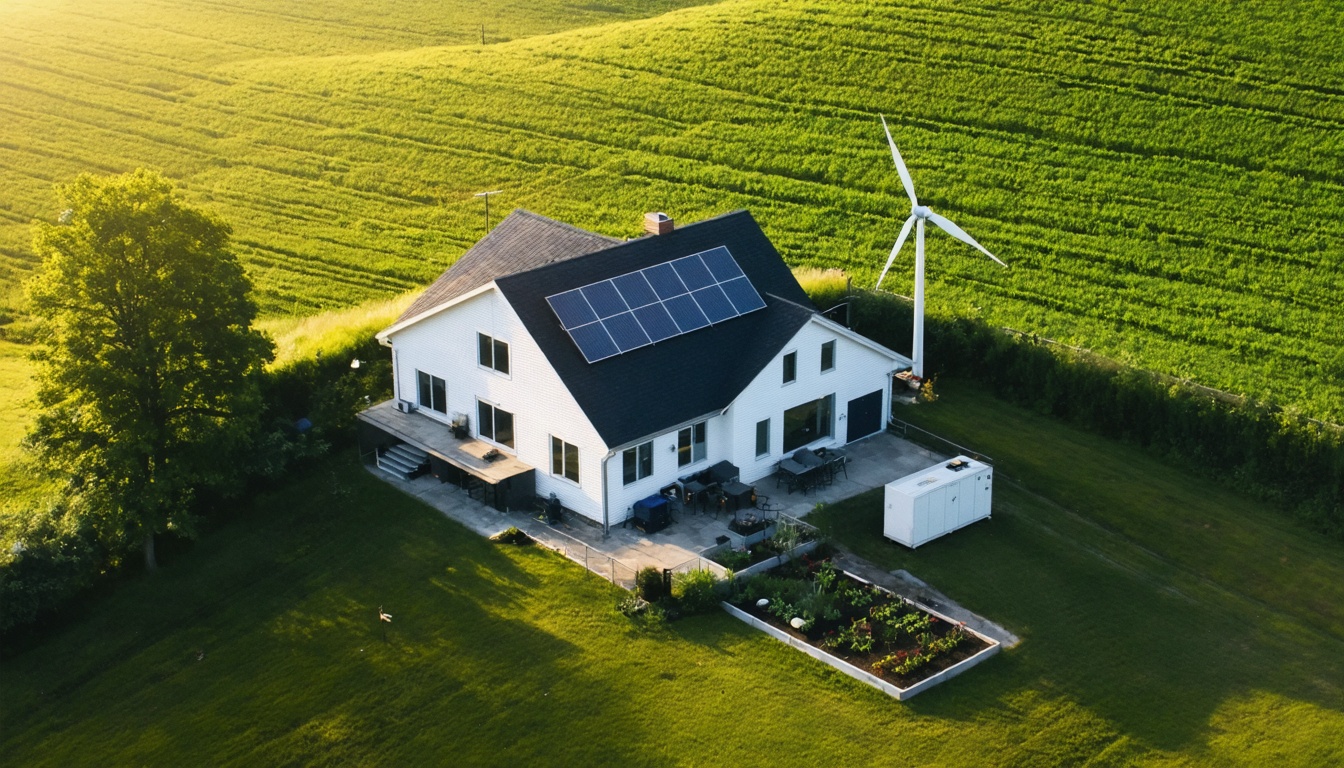 What a More Resilient Home Energy Plan Looks Like in PennsylvaniaWhen considering how to power your home in Pennsylvania, it is important to examine options that can provide a reliable electricity supply during storms or outages. Adopting a resilient home energy plan can lead to potentially lower utility bills, stimulate local economies, and enhance energy independence. A resilient energy plan often incorporates technologies such as solar panels, energy storage systems, and energy efficiency measures. Solar energy, for instance, can reduce reliance on the grid, especially during peak demand periods. Combined with battery storage, homeowners can maintain power during outages, thus contributing to overall grid stability. Recent advancements in technology and evolving incentives are also influencing residential energy choices. State and federal programs may offer financial rebates and tax credits for adopting renewable energy solutions, making them more accessible. Additionally, the integration of smart home systems allows for better energy management, optimizing consumption based on real-time data. The transition to these resilient energy systems is gaining traction, indicating an ongoing shift in how electricity is sourced and consumed in Pennsylvania. It is critical for homeowners to assess their energy needs and consider various factors, such as initial investment costs, long-term savings, and potential disruptions in service, when developing their home energy strategy. Key Features of Pennsylvania’s Lightning PlanPennsylvania’s Lightning Plan presents a framework of strategic initiatives focused on enhancing home energy resiliency across the state. Developed under Governor Shapiro's administration, the plan highlights economic development and aims to create a reliable power infrastructure. It is estimated that the initiative could generate around 15,000 union jobs, which may have beneficial effects on the local economy and address the ongoing challenge of rising household energy costs. A key element of the plan includes a partnership between KeyState and CNX Resources at Pittsburgh International Airport. This collaboration aims to advance hydrogen energy and promote sustainable aviation practices, positioning Pennsylvania to potentially become a significant player in innovative energy solutions. The RESET Board is identified as a critical entity that streamlines the approval process for energy projects. By reducing bureaucratic hurdles, the board is expected to facilitate the prompt development of essential infrastructure. Additionally, PACER’s cap-and-invest strategy intends to direct 70% of the revenue generated back to consumers through rebates, potentially mitigating some of the financial pressures linked to energy expenses. Updated rebate programs for energy-efficient appliances, alongside backing from consumer advocates and organized labor, are anticipated to strengthen Pennsylvania’s reputation in the energy sector. This comprehensive approach seeks to deliver immediate advantages to consumers while also establishing a foundation for sustainable energy practices in the future. Strategies for Enhancing Home Energy EfficiencyA home energy plan aims to implement effective measures that reduce energy consumption and associated costs. The Lightning Plan is aligned with state initiatives in Pennsylvania, emphasizing investments in energy-efficient appliances, improved insulation standards, the incorporation of smart thermostat technology, and Solar Panel Roofing Solutions. These efforts target both urban centers like Pittsburgh and rural areas with the goal of lowering energy costs and enhancing financial stability for households. The collaboration among environmental organizations, consumer advocacy groups, and industry stakeholders, including CNX Resources, is expected to contribute to the development of stable employment opportunities. This strategy focuses on economic development within Pennsylvania by promoting energy efficiency, which could position the state as a leader in energy management and sustainability in the future. Overall, the emphasis on energy-efficient practices is likely to provide measurable benefits in terms of reduced energy expenses and improved environmental outcomes. Innovative Energy Sources and Their RoleInnovation is critical in developing resilient home energy strategies through the integration of advanced energy sources such as hydrogen and sustainable aviation fuel. The Lightning Plan, initiated by Governor Shapiro and the Commonwealth of Pennsylvania, aims to involve industry leaders, consumer advocates, and labor organizations in creating reliable energy options for consumers in the state. Strategic initiatives at Pittsburgh International Airport, supported by the EDGE Tax Credit and various economic development incentives, aim to improve Pennsylvania's energy landscape. The Pennsylvania Resources for Energy Sustainability and Security (PRESS) program illustrates a targeted investment approach designed to reduce energy costs and lower household emissions. These initiatives reflect Pennsylvania's commitment to evolving its energy framework, which may help solidify its status as an energy leader in the future. However, it is essential to analyze the implications of these developments on economic growth, environmental sustainability, and energy security within the state. Economic Impact and Job Creation OpportunitiesGovernor Shapiro's Lightning Plan presents a structured energy investment strategy with the aim of enhancing job creation and promoting household savings, which may contribute to a more resilient economy. This initiative anticipates the creation of approximately 15,000 energy-related jobs in Pennsylvania, focusing particularly on unionized positions and organized labor, which are often linked to economic development. A notable example within this initiative is the collaboration between KeyState and Pittsburgh International Airport, which targets investments in hydrogen and sustainable aviation projects. This partnership is projected to create around 3,000 construction jobs. The strategy behind this focus on energy investment is intended to not only reduce costs for consumers across Pennsylvania but also bolster the state’s financial prospects in the long term. Industry leaders and consumer advocates have expressed support for these investments, which are designed to help mitigate household financial burdens amid ongoing global economic challenges. In summary, the Lightning Plan provides a framework for potentially advancing economic stability through job creation and cost reduction initiatives. Legislative Actions and Policy FrameworkThe Lightning Plan delineates a strategic framework aimed at improving home energy resilience across the state. It highlights the necessity of energy efficiency and modernization as integral elements of a comprehensive energy policy. Under the leadership of Governor Shapiro, the Commonwealth, in collaboration with the General Assembly, is working to streamline the approval processes for energy projects through the formation of the RESET Board. This board is expected to minimize bureaucratic barriers and promote collaboration among industry stakeholders, labor organizations, and consumer advocacy groups. The plan also encompasses amendments to the PA EDGE Tax Credit and the PACER Act, which are intended to draw new investments in energy-efficient technologies and appliances while targeting emissions reduction. Furthermore, the introduction of PRESS standards aims to bolster the reliability of power supply, particularly in urban centers like Pittsburgh and various rural areas. The official website detailing the Lightning Plan showcases several partnerships, including those with CNX Resources and KeyState. These collaborations are positioned to play a significant role in shaping the state's energy sector, aligning with objectives related to efficiency and sustainability. Financial Incentives for HomeownersFinancial relief is an important aspect of Pennsylvania's initiatives designed to assist homeowners in managing energy costs while enhancing home resilience. Governor Shapiro's Plan has initiated several programs that provide financial incentives for consumers in the Commonwealth. Key initiatives include the EDGE Tax Credit, PRESS, and PACER programs, which aim to alleviate costs associated with energy-efficient appliances and promote the creation of stable, well-paying union jobs across various regions, including urban areas such as Pittsburgh and rural communities. These programs are the result of collaboration among organized labor, consumer advocacy groups, and environmental organizations. This cooperative approach seeks to engage industry stakeholders, including companies like CNX Resources, to help achieve both economic and environmental goals that benefit Pennsylvania residents. Homeowners seeking further information about these programs can find updates on official state government websites that typically end with .gov. Relevant media and agency sources also provide ongoing developments related to the financial incentives available to homeowners. Environmental Benefits and Emissions ReductionThe modernization of home energy plans presents significant opportunities for environmental improvements. The Lightning Plan, introduced by Governor Shapiro, aims to reduce emissions by an amount equivalent to that produced by approximately 3.2 million vehicles. This initiative is expected to enhance air quality in urban areas such as Pittsburgh and in various rural communities throughout Pennsylvania. Economic assessments suggest that consumers could potentially save up to $664 million as a result of these initiatives, contributing to lower energy costs. Industry stakeholders, including companies like CNX Resources, are anticipated to engage in economic development projects that align with the plan's objectives. An emphasis is placed on adopting efficient appliances and integrating hydrogen and other sustainable technologies, which are considered essential for strengthening Pennsylvania's power system. Support for the Lightning Plan encompasses a broad spectrum of stakeholders, including environmental groups, organized labor, and consumer organizations. These parties are actively involved in the implementation process to facilitate the realization and sustainability of the plan's intended outcomes over time. Collaborating with Communities and StakeholdersThe Lightning Plan outlines the significance of collaboration with communities and key stakeholders as an essential component for achieving long-term energy resilience in Pennsylvania. Under Governor Shapiro's strategy, there is an emphasis on engaging organized labor, industry representatives, such as CNX Resources, and consumer advocates to promote new investments and improve appliance efficiency across both rural and urban areas, including metropolitan regions like Pittsburgh. The RESET Board is integral to this strategy, focusing on improving project implementation, enhancing stakeholder engagement, and fostering economic development statewide. The participation of environmental advocates and state legislators is also emphasized, alongside the utilization of the EDGE Tax Credit to reduce bureaucratic barriers while encouraging the creation of union jobs. This collaborative approach aims to ensure a stable energy supply for consumers while potentially laying the groundwork for sustainable advancements in Pennsylvania's energy sector over the long term. ConclusionAdopting a resilient home energy plan in Pennsylvania can enhance the reliability and sustainability of your household's power supply. Such a plan may protect against fluctuations in energy costs and potential disruptions caused by external factors. The state currently offers various incentives that can assist homeowners in integrating innovative energy solutions. Technologies such as solar panels, energy storage systems, and energy-efficient appliances are becoming increasingly accessible and can contribute to energy independence. Community initiatives also play a role in promoting these technologies and fostering a collaborative approach to energy management. Implementing these strategies not only assists individual households in managing their energy needs but also aligns with broader state objectives towards cleaner and more secure energy landscapes. This dual focus on personal benefit and environmental responsibility is becoming more important as the state moves to address climate change and energy sustainability. |
|
|||||||||||||||||||||


|
© 2008-2014 Real Estate Business Services, Inc.® All Rights Reserved.
|